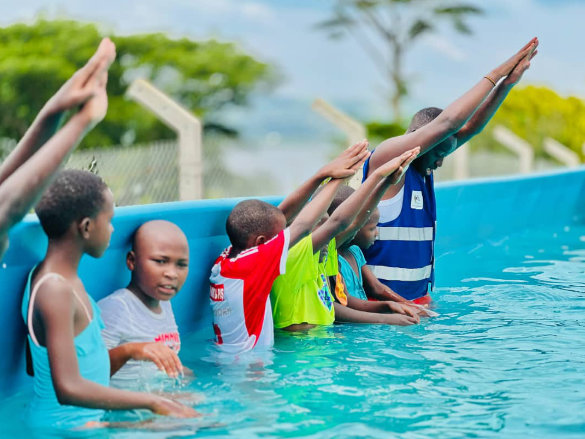
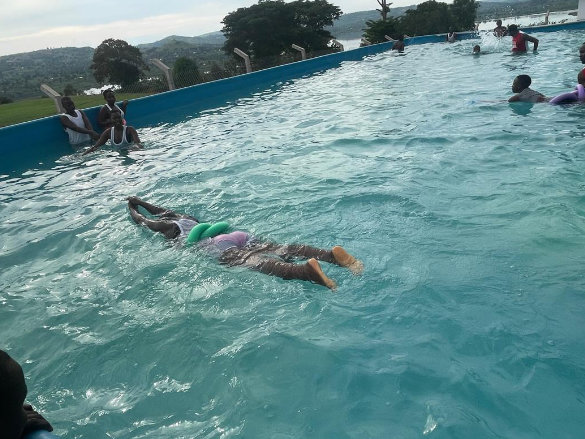
Before a single student stepped into the waters, the mapping exercise needed to have already taken place; Right Path—in partnership with Reach A Hand Africa (RAHA)—focused on securing strong local ownership and identifying the communities most at risk. Ahead of the field rollout of Increasing Drowning Prevention, Awareness and Creating Safe Waters in Rakai, Right Path convened a district-level inception meeting and partnered directly with district education and sports officials in the mapping of target schools across the district.
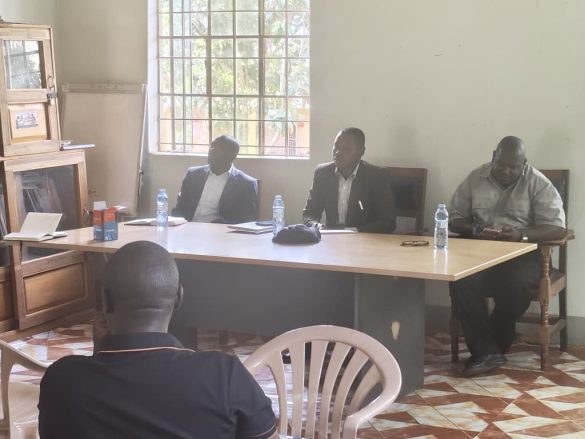
Securing local leadership buy-in before entering the water. Rakai District stakeholders convene during our Project Inception Meeting to align on school mapping, community mobilization, and drowning prevention goals.
Building Consensus at the Stakeholder Inception Meeting
Drowning prevention is most effective when championed by the leaders who know their communities best. To lay the groundwork for implementation, Right Path brought together 20 key stakeholders—including local government representatives, education leaders, community mobilizers, and landing-site representatives—for an official Project Inception Meeting.
During the session, the Right Path team walked stakeholders through the core objectives, implementation timeline, and safeguarding framework of the SAFE SWIM Initiative. Open dialogue allowed local leaders to ask questions, share insights on high-risk water bodies and landing sites in Rakai, and align on how schools and communities would be mobilized. By the close of the meeting, stakeholders had endorsed the initiative and committed to supporting parent sensitization, learner mobilization, and local oversight throughout the program.
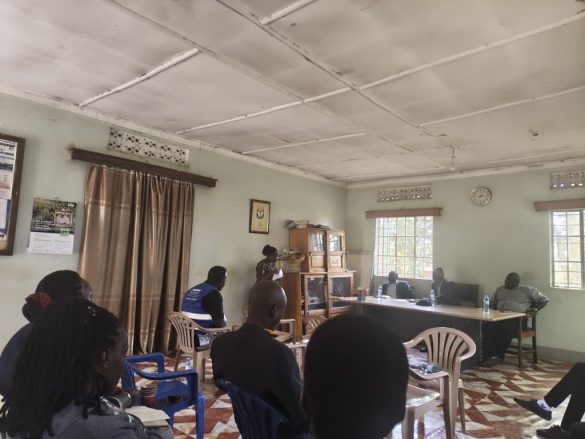
Bringing everyone to the table: district officials, local leaders, and the Right Path team align on strategies to prevent drowning across Rakai.
Joint School Mapping with Rakai District Officials
With stakeholder buy-in secured, Right Path moved immediately into a five-day School Mapping Exercise across Rakai District. Rather than selecting schools in isolation, Right Path worked side by side in the field with key district officials, including the Inspector of Schools and the District Sports Officer.
Together, the joint team traveled across communities bordering high-risk landing sites to assess and select schools whose learners face the greatest daily exposure to open water. The mapping exercise evaluated:
- Proximity to high-risk water bodies and landing sites, ensuring the intervention reaches children aged 6–15 and 16-30 who live, travel, or assist family members near open water.
- School readiness and enrollment numbers, helping the team plan structured classroom theory outreaches and coordinate safe travel logistics for practical survival-swimming sessions.
- Leadership commitment, engaging head teachers early to establish clear schedules, parental consent processes, and safeguarding protocols.
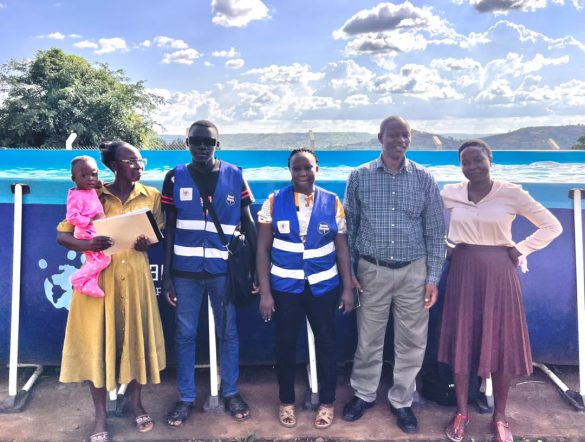
Right Path staff join Rakai’s Inspector of Schools and District Sports Officer by the portable training pool after completing the joint school mapping exercise to select target schools for water safety and survival swimming sessions.
From Planning to Action
The collaborative inception meeting and joint school mapping ensured that when field activities officially launched, Right Path entered schools not as an outsider, but as a trusted partner working alongside Reach A Hand Africa and Rakai District leadership.
With target schools mapped and local leaders on board, the SAFE SWIM Initiative is now actively delivering foundational water safety theory lessons and hands-on survival swimming instruction—equipping thousands of children and young adults across Rakai with the knowledge and skills to stay safe around water.
Want to learn more about Right Path’s water safety and child protection programs in Uganda? Reach out to our team or follow our field updates as we work toward creating safer waters for every child.